Hades 2 - Embrace the unknown
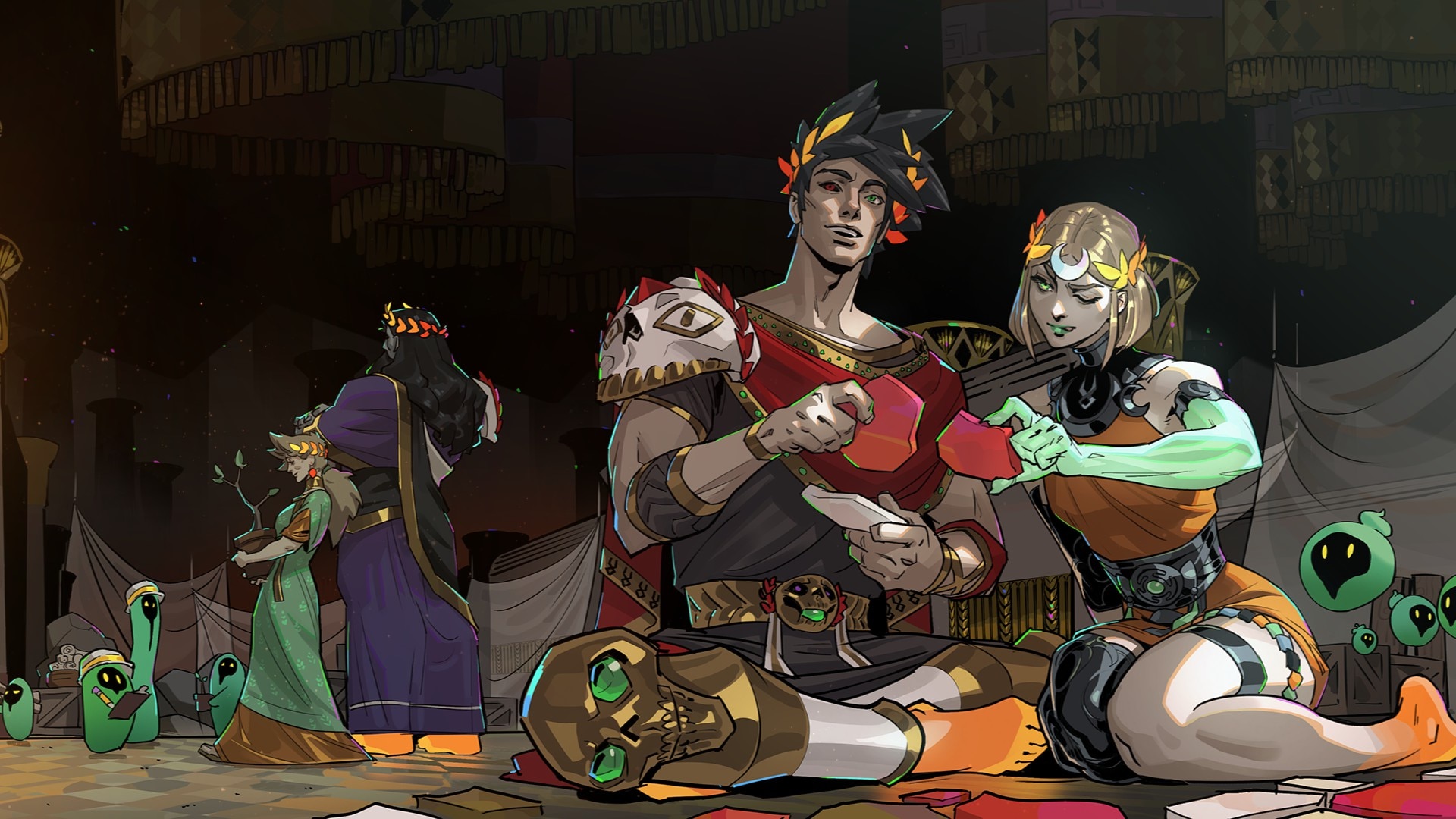

Game Information
Title: Hades 2
Release Year: 2025
Developer: Supergiant Games
Publisher (at launch): Supergiant Games
Health Concepts Explored: Fear threshold, mental resilience
I started playing Hades 2 during its Public Open Beta stage in 2024, drawn back by my love for the first game. The original Hades was one of my first experiences in the rogue-like genre, and I found it—along with Dead Cells—to be among the most engaging action games I'd played in years. The combination of tight combat mechanics, compelling narrative integration, and the rogue-like's signature loop of failure and incremental progress created something that felt both challenging and deeply satisfying.
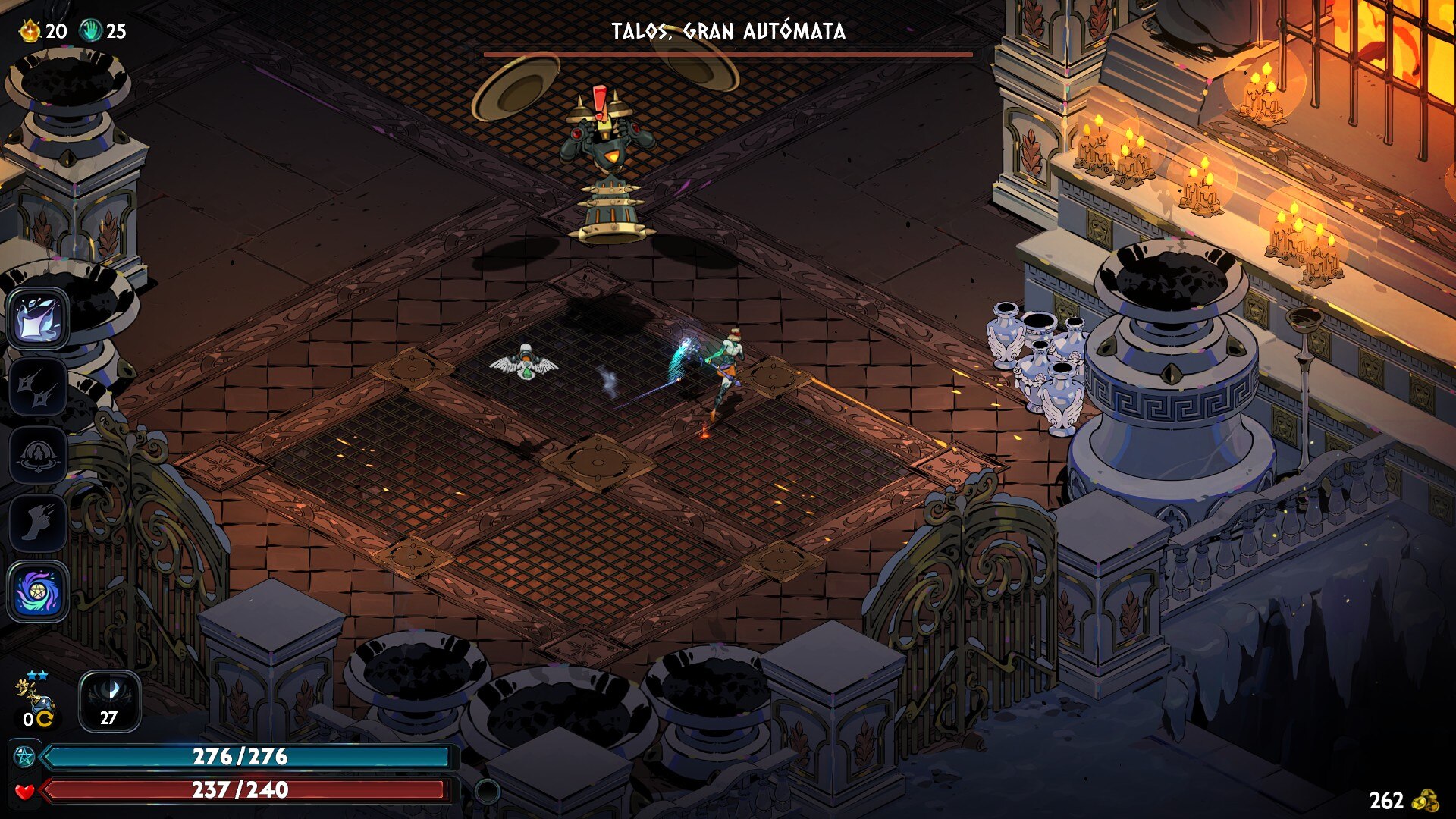
Hades 2's randomly generated encounters force players to adapt to constantly changing environments, training mental resilience through controlled uncertainty.
The nature of rogue-like games is deeply tied to the concept of mental resilience and embracing the unknown. For those unfamiliar with the genre: rogue-like games are experiences that heavily rely on randomly generated levels and upgrades. This means that whenever you start a new play session, it's always different from the previous one. The core structure of the mechanics and actions remains the same, but everything else—levels, enemy placements, upgrades you receive—changes every single time. This constant variation forces you to adapt, to make decisions with incomplete information, and to find solutions within constraints you didn't choose. It's a form of controlled uncertainty that trains your ability to remain calm and effective when facing the unexpected.
This is fundamentally different from experiences such as Elden Ring, which feature very strict and unchanged placement of objects and enemies in the world, leaving unpredictability primarily to the way you engage in combat and how enemies will respond. In Elden Ring, you can memorize enemy locations, plan routes, and develop strategies based on a stable environment. The challenge comes from execution and reaction, not from adapting to a constantly shifting landscape. Rogue-likes, by contrast, strip away that predictability at the environmental level, forcing you to build resilience not just in execution, but in your ability to navigate uncertainty itself.
On top of this completely random experience every time you start a session, rogue-like games such as Hades 2 are extremely difficult. It takes considerable time to understand the mechanics, learn how each weapon is handled, and, of course, memorize the movement patterns of bosses to be able to defeat them. The first time you face them, failure is almost certain. This combination of randomness and difficulty creates a unique training environment: you're not just learning patterns, you're learning to adapt when patterns change. You're building resilience not through repetition of the same challenge, but through repeated exposure to different challenges that require the same core skills—observation, adaptation, and persistence.
To add another layer to this already dense experience, I played the game in Japanese—just as I did with Cyberpunk 2077, in case you've read the book. Since I'm still not fluent, I was intentionally creating an environment that served two purposes:
First, it helped me familiarize myself with Japanese writing. Every time I encountered kanji and expressions I didn't know, I had the opportunity to expand and consolidate my vocabulary. The game became a language learning tool embedded within the gameplay experience.
Second, and more relevant to our discussion of mental resilience, it dramatically increased the randomness of the experience. Because I needed to understand the descriptions of upgrades to make informed choices, most of the time I chose whatever "felt" best without fully comprehending the mechanics. I never truly knew for certain if a choice would help me, but I learned to trust my instincts and make decisions with incomplete information. This amplified the game's core lesson: you can't always wait for perfect understanding before acting. Sometimes, you must move forward with the information you have, observe the results, and adapt accordingly.
Timing matters
One important aspect that may not be fully explored in the book—based on feedback from some readers—is my perspective on games as a therapeutic, complementary tool within a broader lifestyle transformation. Games should be integrated as one essential element of your daily routine, as fundamental as diet, exercise, and sleep. They are not meant to replace these foundational pillars, nor should they be treated as an optional add-on that can be skipped when convenient. When properly integrated, gaming becomes a structured mental training session that complements your physical training, nutrition, and recovery protocols—creating a holistic approach to optimizing both mind and body.
In my routine, the ideal time to play is in the early morning, after exercising and after the post-workout meal. This is around 5 AM for me—I wake up at 3:30 AM. This timing works exceptionally well because I operate in a very orderly manner, and after the physical body is exercised and nourished, it needs to rest. This is precisely when gaming comes in. The sequence creates a natural flow: physical training stimulates the body, nutrition replenishes it, and then mental training through gaming engages the mind while the body recovers. It's a complete training protocol that respects both physical and mental needs, front-loading the day's most demanding activities so the rest of the day can be dedicated to recovery and lower-intensity work.
I limit my gaming sessions to 1.5–2 hours maximum. I've noticed that when I play for longer than that, I become overstimulated—especially because I'm a huge fan of action games and extremely difficult titles like Hades 2. These games demand intense focus, rapid decision-making, and sustained attention, which creates significant cognitive load. Beyond the two-hour mark, the mental stimulation becomes counterproductive, shifting from therapeutic training to overstimulation that can interfere with the rest of my day. Additionally, my hardcore gaming protocol is strictly limited to the early morning hours. This timing is intentional: by front-loading the most stimulating activities, I avoid overstimulation later in the day, which could interfere with my sleep—I typically sleep at 7 PM. This early-morning-only approach ensures that the intense mental training happens when it's most beneficial and least disruptive to recovery and rest.
As I write these words, I am approaching the final steps of concluding Hades 2. I've finished the game several times, obtained most of the achievements, and I'm aiming to complete it 100%. It's been a delightful experience that has taken me over 100 hours to complete. Now, I just wish to say thank you to Supergiant Games for creating another masterpiece. And thank you for helping me become more mentally resilient.
Comments